 Image 1 of 1
The Choice to Remain Fallen
Year: 2025
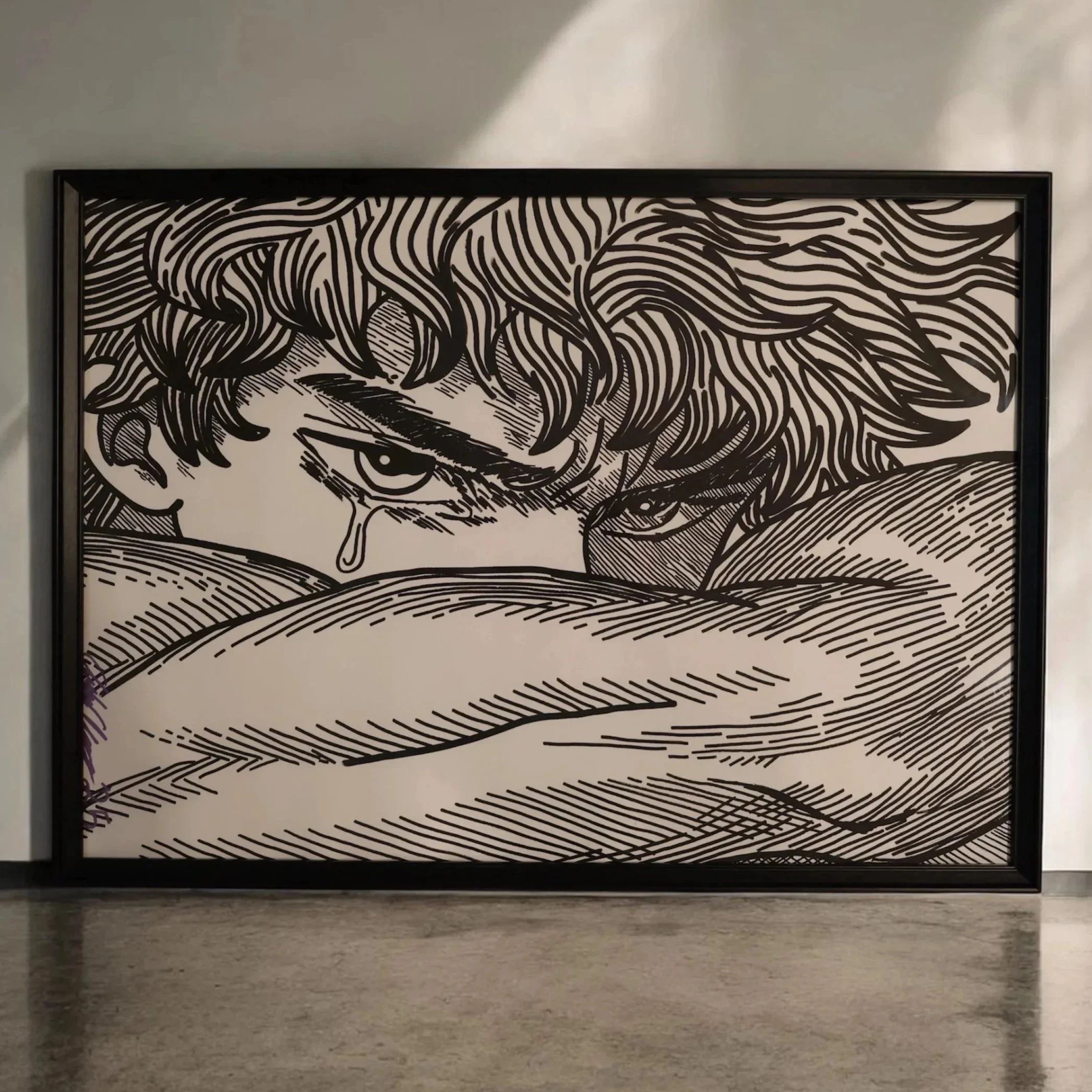
Medium: Acrylic on watercolor paper
Dimensions: 24 × 20 inches
Inspiration: Alexandre Cabanel's The Fallen Angel, emotional pain, self-destruction, personal growth, and the struggle between who we are and who we want to become.
There's something fascinating about the idea that even the worst versions of ourselves don't necessarily start out that way. Sometimes people become darker because they're hurt, angry, lonely, or simply tired of feeling everything so deeply.
I created this painting in 2025 during a period when I was struggling with my own emotions and reflecting on the person I had been becoming. I was in pain, and part of me wanted to embrace that pain instead of trying to move past it.
This piece draws inspiration from Alexandre Cabanel's famous 1847 painting The Fallen Angel, which depicts Lucifer after being cast out of heaven. His face is partially hidden behind his arms, but his eyes reveal an overwhelming mixture of anger, sadness, humiliation, and resentment. There's even a tear falling from his eye.
What makes that painting so powerful to me is that Lucifer doesn't necessarily look evil. He looks hurt.
I think there's something incredibly human about that.
In the story of Lucifer's fall, there is pride, rebellion, and a refusal to submit. But when I look at Cabanel's painting, I see something more complicated. I see someone who has lost everything, someone whose pain has become tangled with anger, and someone who seems almost determined to hold on to that resentment rather than let it go.
I could relate to that feeling.
There was a time when I was drinking constantly, making decisions that weren't necessarily good for me, and feeling tempted to return to old habits. Part of me wanted to go back to casually dating different people, avoiding emotional attachment, and finding temporary distractions rather than building something meaningful.
It would have been easier in some ways.
When you don't allow yourself to become emotionally invested in someone, you can convince yourself that nobody has the power to hurt you. When you're drinking, you can temporarily quiet the thoughts you don't want to deal with. And when you're angry at the world, sometimes it feels easier to become cold than to remain vulnerable.
But none of those things actually make the pain disappear.
They just change the way you carry it.
That's what this painting represents to me.
The figure's (myself) eyes are filled with sadness and anger, while a single tear runs down his face. His arms partially conceal his expression, almost as though he's trying to protect himself from being seen. The black-and-white composition strips away distractions, leaving nothing but the intensity of the emotion.
I wanted the painting to feel intimate and uncomfortable, like catching someone in a moment when they're trying desperately not to fall apart.
There's something about that expression that captures the conflict between wanting someone to understand your pain and wanting absolutely nobody to see it.
And I think that's where my own connection to the fallen angel comes from.
I wasn't necessarily proud of the person I had been. I knew there were things about myself that needed to change. But recognizing those things doesn't automatically make changing them easy.
Part of me wanted to stay in that darker place because it was familiar. There was comfort in not caring, in being emotionally distant, and in convincing myself that I didn't need anything from anyone.
But another part of me knew that wasn't the person I wanted to be.
I wanted to become more disciplined, more emotionally mature, and more intentional about the way I treated myself and other people. I wanted to stop looking for temporary happiness in things that ultimately left me feeling emptier.
And most importantly, I wanted to stop allowing my pain to determine the kind of man I would become.
That's what separates my interpretation from Cabanel's original painting.
Lucifer's fall represents rebellion, separation, and the consequences of pride. But to me, the most interesting part isn't necessarily the fall itself. It's what happens afterward. What happens when you've already lost your way? When you've become someone you don't recognize? When the darkness feels more comfortable than the possibility of changing?
I wanted my painting to represent that moment of uncertainty.
The moment when you're standing between two versions of yourself.
One that wants to surrender to the darkness because it feels easier.
And another that understands becoming better will require facing everything you've been trying to escape.
I think everyone has a version of themselves they're not particularly proud of. We all have moments when we're selfish, angry, destructive, or emotionally unavailable. And sometimes those parts of ourselves can feel incredibly powerful.
But strength isn't about becoming someone who can't feel pain.
It's about learning how to experience that pain without allowing it to turn you into someone you no longer recognize.
This painting is a reminder of a version of myself that I don't want to return to. Not because I hate that person, but because I understand him now. I understand why he was hurting, why he wanted to escape, and why becoming emotionally detached sometimes felt safer than allowing himself to care.
I can't change everything I've done or every decision I've made, but I can decide what kind of person I want to be moving forward.
And that's something I find beautiful about being human.
Unlike the fallen angel, we aren't necessarily condemned to remain the person we became during our darkest moments.
We can learn. We can grow. We can forgive ourselves. And we can choose differently.
Because sometimes the greatest battle between good and evil isn't happening somewhere out in the universe. It's happening inside ourselves.
And just because you've fallen doesn't mean you have to stay there.